“In order to provide more housing, we have to get creative in how we do it,” Brad Bryant, executive director of Habitat’s Staunton-Augusta-Waynesboro chapter, told VPM News. “The creativity is going to be cottage-style housing, refurbing trailer parks, taking the existing zoning and … developing inside of those spaces, and finding ways to allow the public to understand that less can be more.”
Habitat for Humanity project brings innovative affordable housing to Staunton
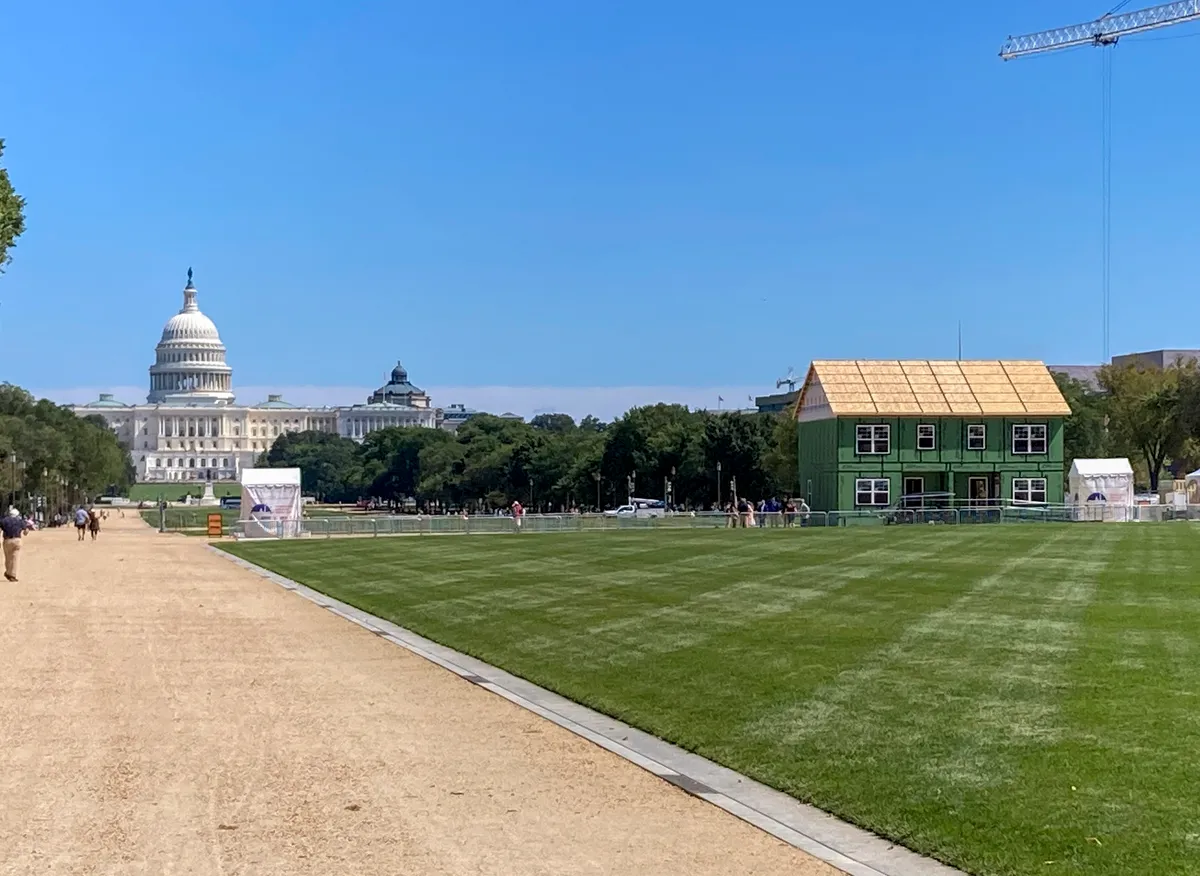
Brad Bryant / Habitat for Humanity
A panelized duplex sits assembled on the National Mall during the Innovative Housing Showcase in Washington, D.C., on Monday, September 8, 2025.
The duplex was originally built in 2025 as part of the US Department of Housing and Urban Development’s annual Innovative Housing Showcase. It was assembled on the Mall in just nine hours. Its panelized construction design — including factory-made portions that are assembled on-site — allow for more speedy assembly.
Habitat for Humanity is a nonprofit that partners with families to construct and purchase homes at affordable rates. Since the founding of the Staunton-Augusta-Waynesboro chapter in 1993, it has built, rehabbed or restored over 75 homes in the region.
Like many communities across Virginia, the Staunton-Augusta-Waynesboro region is facing rising housing costs and limited inventory.
Statewide, the shortage is especially severe for extremely low-income households, whose incomes are at or below either 30% of the Area Median Income (roughly $50,000 for a single person, or $72,000 for a family of four) or the federal poverty line, whichever is greater. For every 100 extremely low-income households, there are only about 35 affordable and available homes, according to Virginia Housing Alliance’s 2025 Virginia Housing Landscape report.
The report also found that 1 in 3 Virginia households are cost-burdened, meaning the homeowner spends over 30% of their income on housing costs.
One side of the duplex has already been assigned to Alma Allen and her five children. They’re expected to move in this July. Habitat hasn’t yet found an owner for the other half.
Habitat for Humanity is a nonprofit that partners with families to construct and purchase homes at affordable rates. Since the founding of the Staunton-Augusta-Waynesboro chapter in 1993, it has built, rehabbed or restored over 75 homes in the region.
Like many communities across Virginia, the Staunton-Augusta-Waynesboro region is facing rising housing costs and limited inventory.
Statewide, the shortage is especially severe for extremely low-income households, whose incomes are at or below either 30% of the Area Median Income (roughly $50,000 for a single person, or $72,000 for a family of four) or the federal poverty line, whichever is greater. For every 100 extremely low-income households, there are only about 35 affordable and available homes, according to Virginia Housing Alliance’s 2025 Virginia Housing Landscape report.
The report also found that 1 in 3 Virginia households are cost-burdened, meaning the homeowner spends over 30% of their income on housing costs.
One side of the duplex has already been assigned to Alma Allen and her five children. They’re expected to move in this July. Habitat hasn’t yet found an owner for the other half.
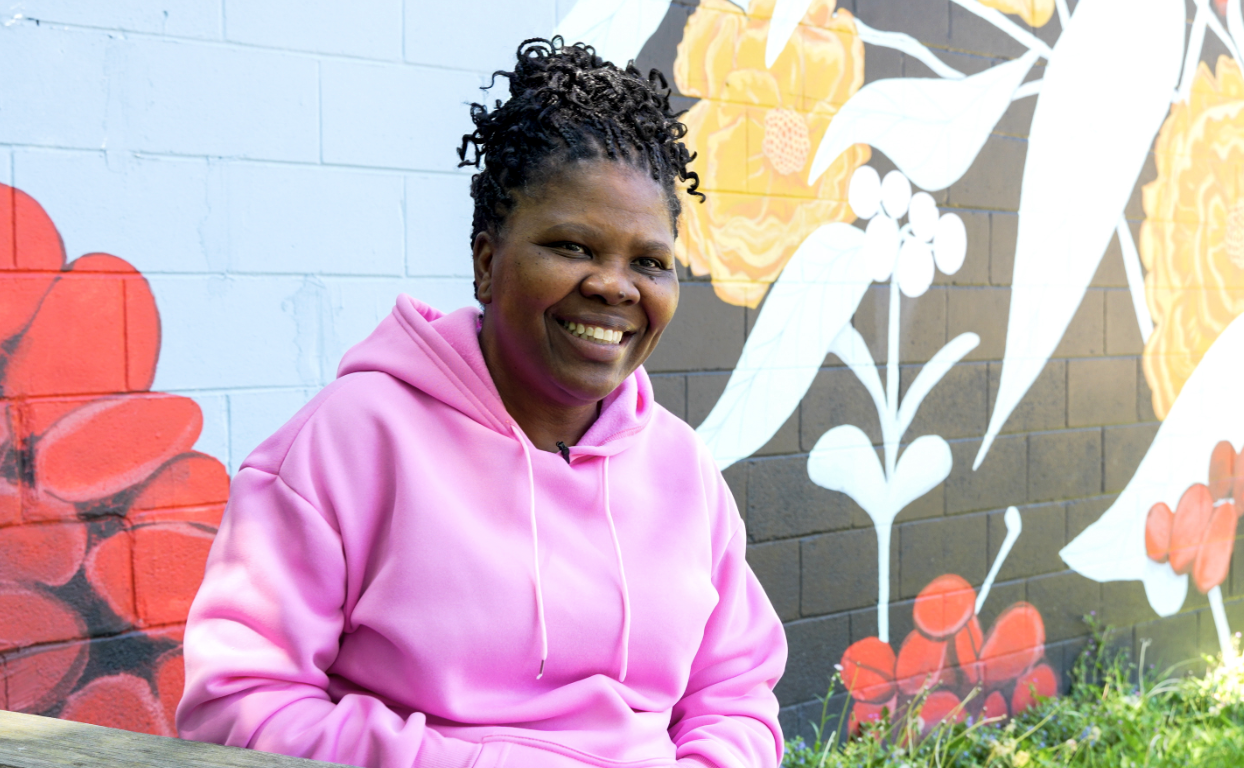
Lauren Cmiel / VPM News
Alma Allen, a future resident of the duplex, is interviewed outside of Crucible Coffee in Staunton, Virginia, on Sunday, May 3, 2026.
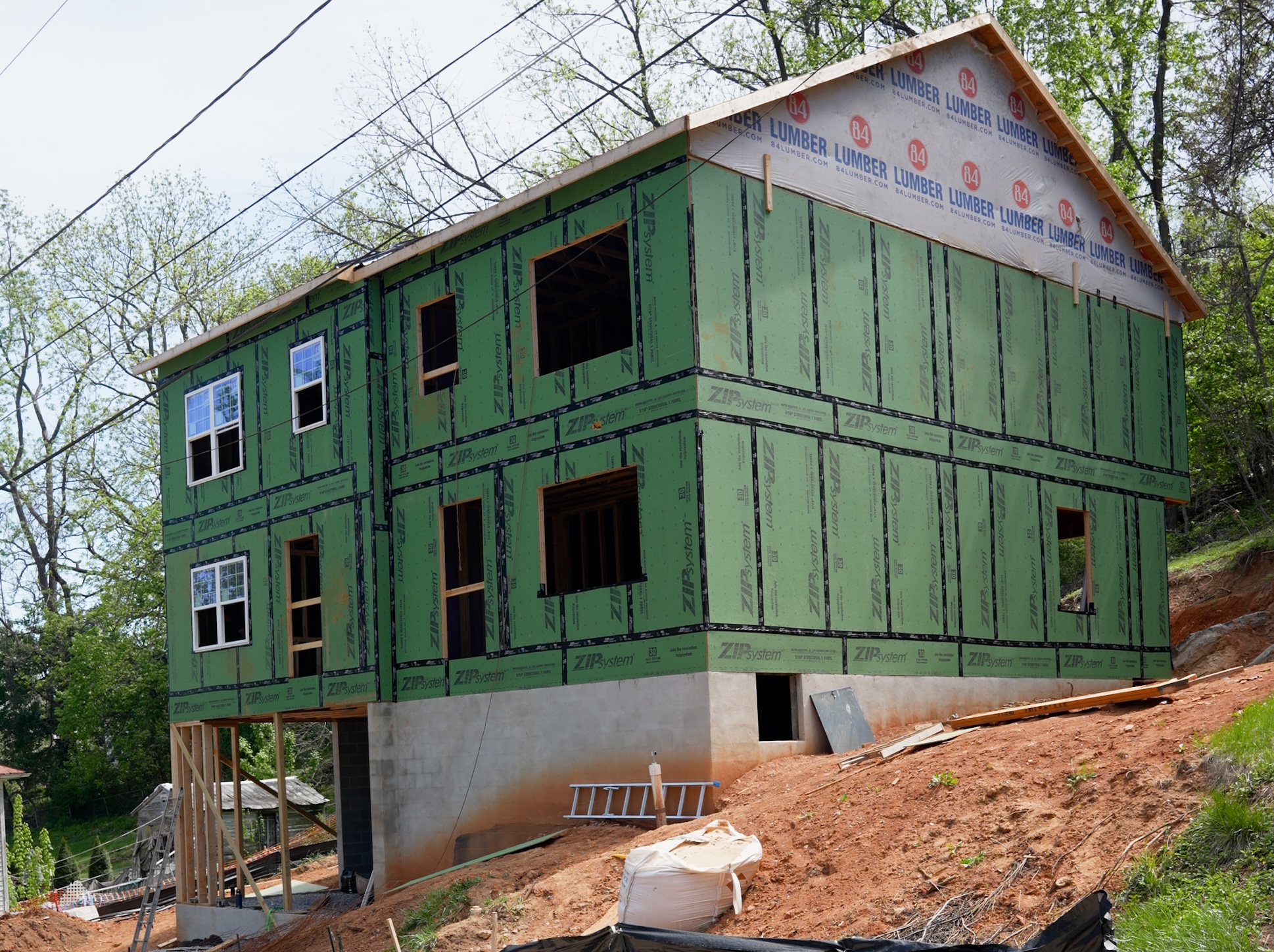
Lauren Cmiel / VPM News
A panelized duplex is reassembled on a hillside in Staunton, Virginia, on Sunday, April 21, 2026, after being relocated from the National Mall in Washington, D.C. The home, previously displayed on flat ground, has been adapted to the sloped site with structural supports and a garage beneath part of the building.